
ChatGPT Is Reinventing Online Shopping
What It Means for Marketers
Last updated: October 14, 2025
OpenAI just dropped some massive updates to ChatGPT, and if you’re in marketing or e-commerce, you need to be paying attention.
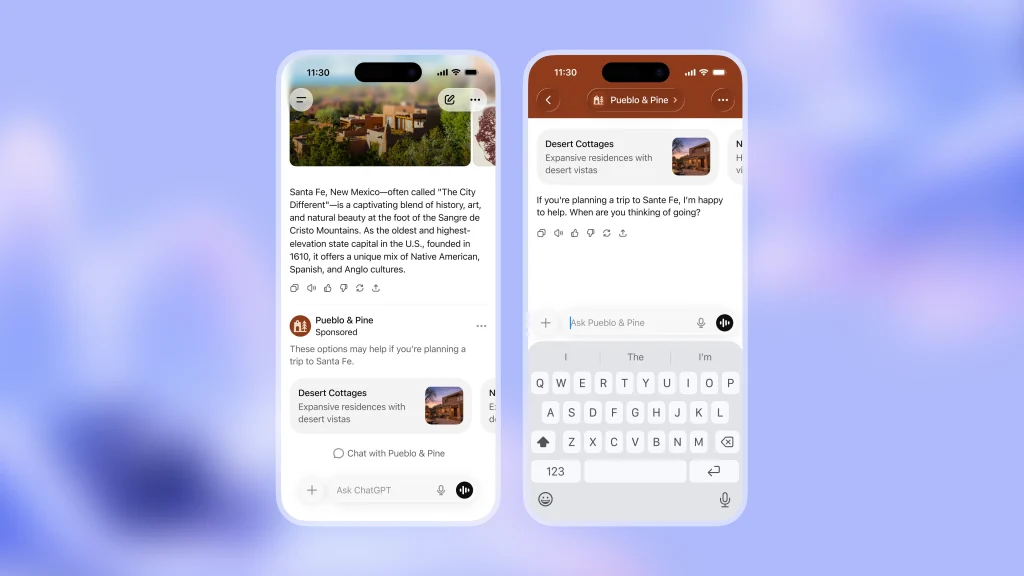
Over the last few days, OpenAI rolled out new features that make ChatGPT feel a lot more like a personal shopping assistant. Users can now get curated shopping results directly inside their chats — including product images, reviews, prices, and direct links to buy. No more bouncing between tabs or typing endless variations into Google.
This isn’t limited to paid users. It’s available to everyone — Free, Plus, Pro, even anonymous users. That’s millions of people who are now one question away from a purchase inside ChatGPT.
So what’s actually new?
Here’s a quick breakdown:
- Personalized shopping recommendations based on what you ask for — with no ads.
- Visual product displays (think images, star ratings, quick descriptions) right there in the chat.
- One-click shopping — tap a link and you’re off to the merchant’s checkout page.
- Powered by real-time browsing, so the info is hyper personalized.
Its frankly a better way to discover products. Especially compared to the increasingly cluttered traditional search engines.
We’re excited to announce we’ve launched several improvements to ChatGPT search, and today we’re starting to roll out a better shopping experience.
Search has become one of our most popular & fastest growing features, with over 1 billion web searches just in the past week 🧵
— OpenAI (@OpenAI) April 28, 2025
Shopify and OpenAI
In the background, OpenAI is also quietly building a deeper integration with Shopify. Code hints spotted in ChatGPT’s backend (things like shopify_checkout_url) suggest that soon, users could shop and check out without even leaving the chat window.
Check out what I found when I asked ChatGPT itself:
Looks like @Shopify checkout + @OpenAI ChatGPT integration is confirmed. Pretty pumped about this tbh. Any comments @sama @tobi @harleyf? pic.twitter.com/EX2cYlzHjB
— Brandon Doyle (🦘,🦘) (@_BrandonDoyle_) April 21, 2025
Think about what that means! Instant checkout, inside an AI conversation. No websites to load. No carts to manage. Just a question, a suggestion, and a completed purchase.
For Shopify merchants, this could be a really big deal. For marketers? It’s a new kind of battlefield where being optimized for AI-driven shopping is going to matter the same way ranking #1 in Google does now.
UPDATE September 2025: It’s official!
I sleuthed this 6 months ago. Been working with clients to help optimize for search and rankings within ChatGPT ever since. Happy it’s here!https://t.co/F3decTzjcy https://t.co/8VQLCC65Oa
— Brandon Doyle (🦘,🦘) (@_BrandonDoyle_) September 29, 2025
Why This Changes Everything for Marketing
This isn’t just a fun feature. It’s a real shift in how consumers will discover and buy products — and it’s happening fast. Here’s what smart brands should be doing now:
- Write for conversations, not just clicks. Make sure your product descriptions, blog content, and FAQs are natural, clear, and aligned with how real people ask questions.
- Prioritize your visuals. Great photos, clean product specs, and up-to-date info will stand out when people get a quick snapshot in AI search results.
- Start thinking AI-first for SEO. Optimize not just for Google snippets, but for how AI reads, summarizes, and recommends products.
- Track new conversion paths. People might skip your homepage and head straight to a product page from an AI suggestion. Be ready for it — and make sure those pages are built to convert.
If you want your products to show up when people search in ChatGPT, it’s not just about having a great website anymore.
ChatGPT doesn’t pull from a single source — it tries to find consensus across multiple trusted sites. That means product roundups, review sites, trusted media outlets, and major e-commerce platforms all feed into what users see.
- Get your products featured on as many credible sources as possible — think comparison sites, best-of lists, independent review blogs, and top e-commerce sites.
- Do your own searches like your customers would. Try prompts like “best [your product category] under $X” and see which sources GPT is recommendin.

- Identify gaps. If you notice your brand isn’t showing up where it should, it’s a sign to work on PR outreach, partnerships, or even collaborations with key reviewers and publications.
- The brands that show up consistently across different trusted sources are the ones that ChatGPT (and other AI tools) are most likely to recommend.
Shopping through AI isn’t “the future” — it’s already here. OpenAI just pulled forward the timeline. If you’re not adapting your marketing to fit this new reality, you’re already falling behind.
The brands who move fastest will be the ones shoppers find first — without even having to look.