
A Comprehensive Guide to LLM SEO, LLMO, and GEO
“SEO isn’t dead—but if you’re still doing it the way you did in 2015, your traffic probably is! Google is only ONE search engine, and its no longer the only one that matters. Search activity is at an all-time high, happening across platforms like Google, YouTube, Meta, and LLMs like ChatGPT.” – CJ Lewis (Wallaroo CMO)
As search engines and digital interactions evolve, traditional SEO is being reshaped by the rise of large language models (LLMs) such as ChatGPT and Google Gemini. These AI-powered systems not only change how we search for information but also open up new opportunities—and challenges—for marketers. We’ll explore actionable strategies for optimizing your content for AI-driven search, and outline best practices to help your brand stay ahead in this new digital landscape.

The New SEO Landscape
What Are Large Language Models (LLMs)?
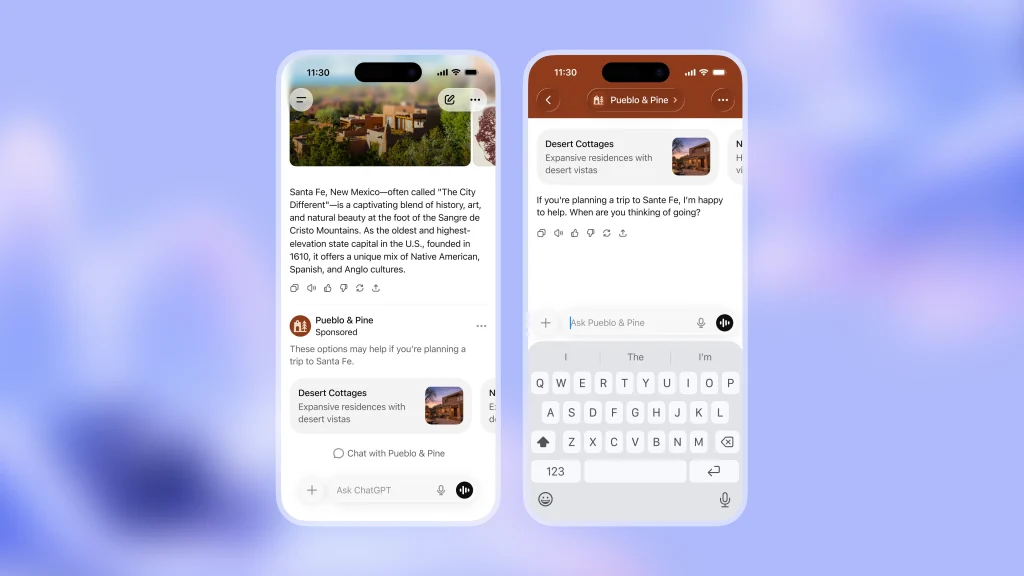
Large language models (LLMs) are advanced neural networks trained on vast datasets of text to understand, generate, and interact in human-like language. These models—like OpenAI’s ChatGPT or Google’s Gemini—employ sophisticated natural language processing techniques to comprehend context, semantic nuances, and user intent. Their increasing prominence in search and content generation is driving a major shift in how we approach digital marketing.
LLM SEO
LLM SEO is the practice of optimizing web content not just for traditional search engines, but specifically to be understood and effectively utilized by AI-powered systems. This requires content that is conversational, contextually rich, and structured to meet the expectations of both human users and AI tools.
What Is LLMO?
LLMO (Large Language Model Optimization) refers to the specialized strategies used to ensure that content is processed correctly by large language models. By optimizing language, context, and semantic signals, LLMO aims to boost your content’s relevance in AI-generated search results. The term is becoming a cornerstone in discussions about future-proofing SEO strategies.
Learn more about LLMO from industry experts.
What Is GEO?
GEO (Generative Engine Optimization), sometimes used interchangeably with LLMO, specifically targets optimization for generative AI search engines. GEO encompasses tactics to ensure that AI systems—which generate direct, conversational answers—choose your content as the basis for their responses. This might include strategic use of authoritative language, structured data, and digital PR to build trust and association.
From Keywords to Conversation
The search experience is evolving from static keyword-based queries to dynamic, conversational interactions. With LLMs at the helm, users now expect direct, comprehensive answers without the need to click through multiple pages. This evolution demands that content creators not only optimize for traditional ranking signals but also for the nuanced, context-rich responses generated by AI systems.
- Conversational Search: Instead of typing “best SEO tips,” users might ask, “What are the most effective SEO strategies for small eCommerce brands?” This shift means content must anticipate and answer natural language queries.
- Direct Answers & Zero-Click Searches: AI systems often generate concise answers (featured snippets) that answer queries directly. Optimizing for this requires clarity, precision, and a focus on user intent.
Key Strategies for Optimizing Your Content for LLMs
To thrive in an AI-driven search landscape, consider integrating the following strategies into your content optimization process:
Focus on Context and Conversational Content
- Write Naturally: Craft your content in a conversational tone that mirrors how people speak. Use Q&A or FAQ formats to directly address common user questions.
- Answer the “Why” and “How”: Go beyond surface-level information to provide context and actionable insights.
Emphasize Semantic and Natural Language Keywords
- Use Long-Tail Keywords: Focus on phrases that users actually speak or type in natural language. Include synonyms and related terms to capture broader semantic intent.
Implement Structured Data & Schema Markup
- Use Schema Markup: Enhance your content with structured data (FAQ, How-To, Article schema) to clearly signal its meaning and context to AI systems.
- Improve Eligibility for Featured Snippets: Proper markup increases your chances of being featured as a direct answer in AI-generated search results.
Produce Comprehensive, In-Depth Content
- Long-Form Content: Create detailed guides and articles that cover topics thoroughly, offering ample context for LLMs to draw upon.
- Ensure Authority and Originality: Back up your content with credible research, statistics, and real-world insights.
Optimize Metadata & Internal Linking
- Craft Descriptive Titles and Descriptions: Use metadata to succinctly summarize your content and include relevant, conversational keywords.
- Leverage Internal Links: Connect related content on your website to build a strong topical network that enhances semantic understanding.
Build Digital Authority & Brand Credibility
- Develop a Strong Backlink Profile: Earn links from reputable sources to signal trust and authority to both traditional search engines and LLMs.
- Engage in Digital PR: Cultivate brand mentions in quality media, industry publications, and trusted third-party websites.
Monitor and Query LLM Outputs
- Ask LLMs like ChatGPT questions related to your brand and products. Look at what sites and sources are referenced. These are great places to get your brand referenced! Try getting backlinks from these sites or getting your products included in the listicals/resources that LLMs are already referencing.
- Regular Testing: Periodically use AI tools like ChatGPT to see how your content appears in responses. Adjust your strategy based on these insights.
- Feedback Loop: Ask LLMs for feedback (e.g., “Why didn’t you recommend my content?”) to identify gaps and opportunities.
Ensure Content Freshness & Technical Excellence
- Keep Content Updated: Regularly revise your articles with the latest statistics, trends, and insights to maintain relevance.
- Optimize Technical Performance: Ensure fast-loading, mobile-friendly pages with clean, semantic HTML to facilitate easy crawling and indexing.
How To See Traffic From LLMs
You are probably already getting traffic from LLMs! It’s just a little more tricky to see as there is not yet a “Default channel grouping” for LLMs.
You can easily set up a report in GA4 to view traffic from LLMS:
- Go to GA4 > Explore > Free-form Report
- Add “Session source” or “Page referrer” as a dimension.
- Click “Add Filter” > “Match regex”, and enter the regex pattern.
| .*chatgpt\.com.*|.*perplexity\.ai.*|.*edgepilot\.com.* |.*edgeservices\.com.*|.*copilot\.microsoft\.com.*|.*openai\.com.* |.*gemini\.google\.com.*|.*nimble\.ai.*|.*iask\.ai.*|.*claude\.ai.*| .*aitastic\.app.*|.*bnngpt\.com.*|.*writesonic\.com.*|.*copy\.ai.*|. |

Looking Ahead: Future Trends & Considerations
As LLMs continue to evolve, it’s critical to view LLM SEO as an ongoing process rather than a one-time fix.
For eCommerce brands and marketing leaders, adopting these strategies means not only improving SEO performance but also building a robust digital presence that resonates with both human users and intelligent systems. Its a competitive market, brands must seize the opportunity to leverage LLMs as a key driver for growth and customer engagement.
LLMO, and GEO is fundamentally altering the SEO landscape. By optimizing for context, semantic relevance, structured data, and digital authority, you can make your content discoverable by traditional search engines and AI-driven platforms.
Are you ready to future-proof your digital strategy?
Contact us at Wallaroo. We will show you how our results-driven SEO strategies to rank everywhere and stay ahead in the evolving AI search landscape can help your business grow!